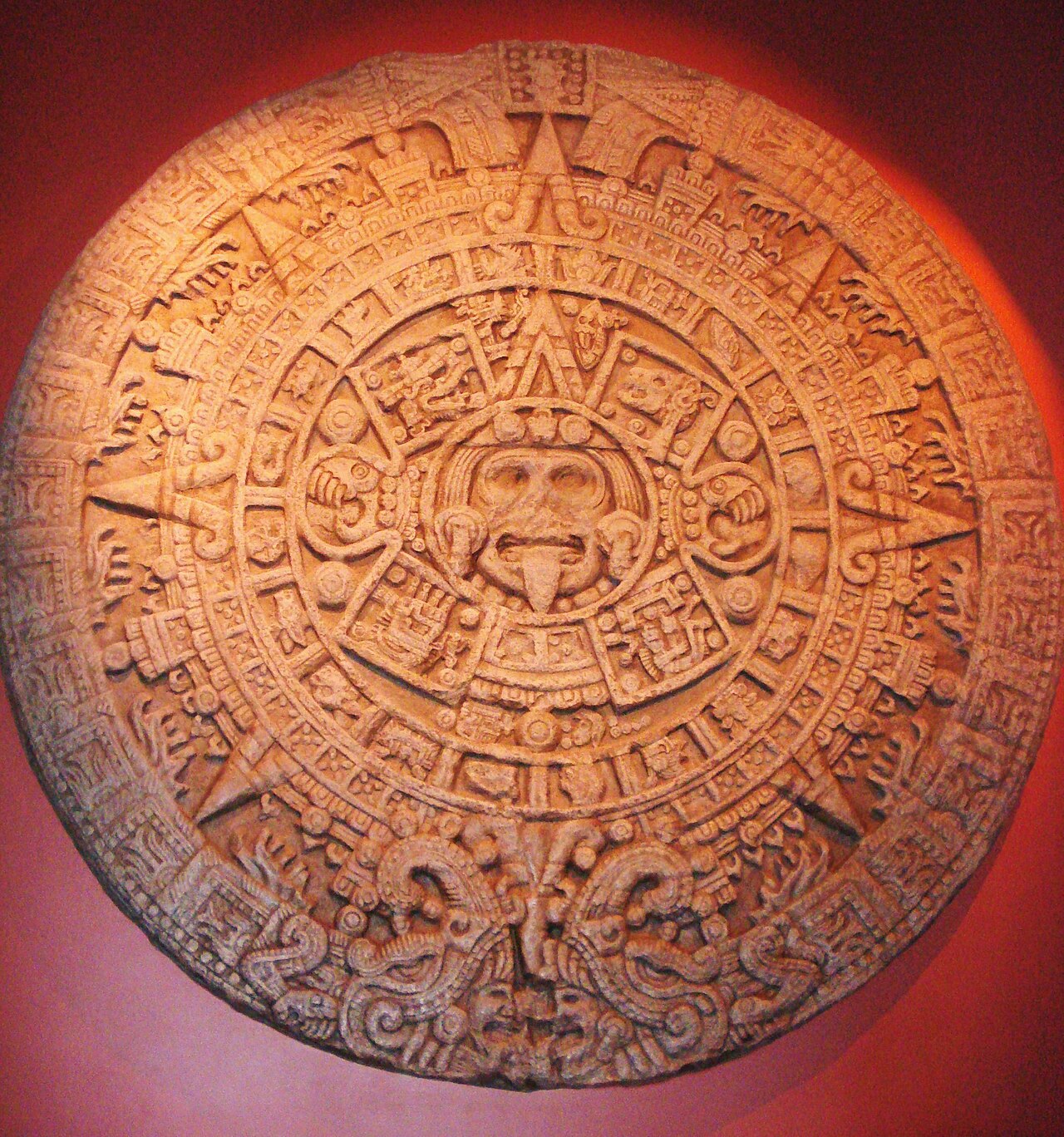
History
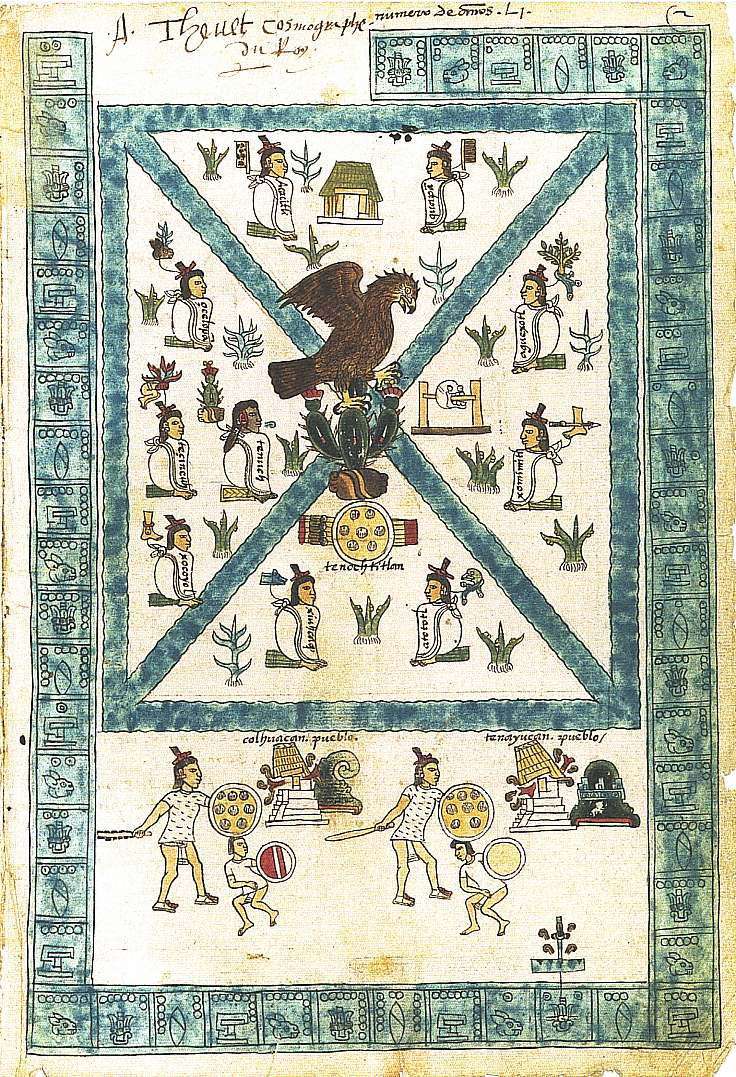
- Uto-Aztecan family, Aztecan branch. The name is often linked to nāhuatl, “clear, intelligible sound”.
- Language of the Mexica (Aztecs), whose capital Tenochtitlan is today’s Mexico City. It was a lingua franca across Mesoamerica.
- Before 1521 it was recorded in pictographic and logographic glyphs in painted codices.
- After the Spanish conquest, friars wrote it in the Latin alphabet. Bernardino de Sahagún’s Florentine Codex (16th century) documents Aztec life in Nahuatl.
Current status
Since 2003, Mexican law recognises Indigenous languages as national languages alongside Spanish. Even so, the share of speakers keeps falling, and several Nahuatl varieties are classed as endangered.
Where it is spoken
Puebla, Veracruz, Hidalgo, San Luis Potosí, Guerrero, State of Mexico, Tlaxcala, Morelos and Mexico City. A related language, Nawat (Pipil), survives in El Salvador.
The community and its culture
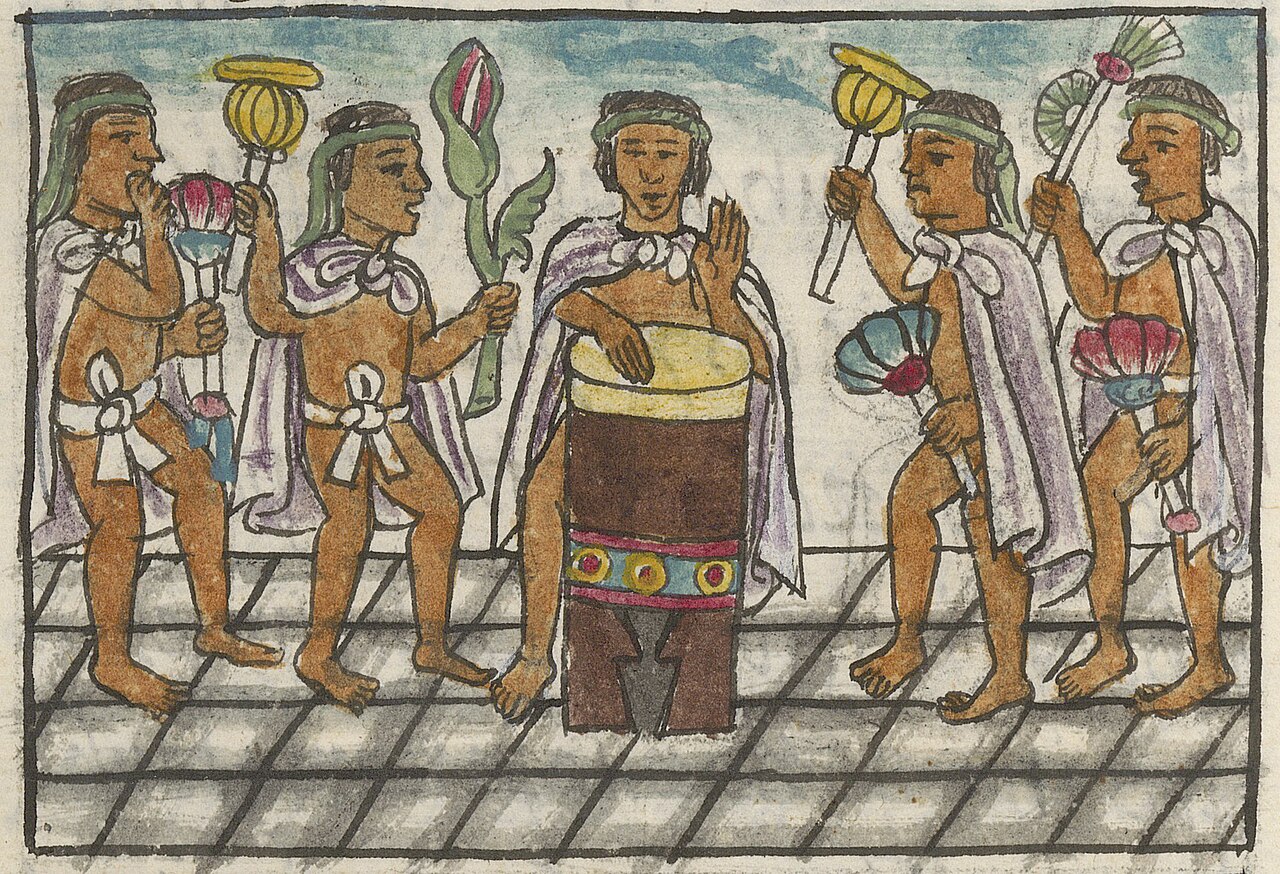
- Speakers often call their language mexicano. Most live in rural farming communities, and many have moved to cities.
- Poetry: the poet-king Nezahualcoyotl of Texcoco (15th century) is still read today.
- huēhuehtlahtōlli “the old word”: speeches in which elders passed on advice and values.
- Living traditions: Day of the Dead, maize, the tlaxcalli (tortilla) and the comalli (griddle).
Why it is declining
- Centuries of Spanish-only government, schooling and “castellanización” policies
- Discrimination: speaking Nahuatl was linked with poverty
- Migration to cities and to the United States
- Parents stop passing it on to their children
- Many varieties and spellings make shared materials harder to create
Unusual features
- The sound tl /t͡ɬ/ is a single consonant, even at the end of a word: ātl “water”.
- One word can be a whole sentence (polysynthesis): nitlacua = “I eat (something)”.
- No native b, d, f, g or r sounds.
- Words like tomato (tomatl) and avocado (āhuacatl) reached English through Nahuatl.
Sounds and writing
| Letter | IPA | Example |
|---|---|---|
| tl | /t͡ɬ/ | ātl “water” |
| tz | /t͡s/ | quetzalli “plume” |
| ch | /t͡ʃ/ | chīlli “chili pepper” |
| x | /ʃ/ | xōchitl “flower” |
| hu | /w/ | huēhuētl “drum” |
| h | /ʔ/ | glottal stop (the “saltillo”) |
A macron marks a long vowel (ā, ē). Stress falls on the second-to-last syllable. Colonial spelling uses c, qu, hu, tz. Modern spelling often uses k, w, ts.
Basic grammar
Nouns end in -tl, -tli, -li or -in. Possession replaces the ending with a prefix:
calli → nocal
cal-li “house” → no-cal “my house”
Verbs take subject prefixes: nicochi “I sleep”, ticochi “you sleep”, cochi “she or he sleeps”.
Basic vocabulary · Listen
cē, ōme, ēyi, nāhui, mācuīlli = 1, 2, 3, 4, 5 · tlazohcāmati = thank you · tlahtōlli = word
Scan to hear a native speaker. [Add the recording and its full citation]